Validated research,
measured in the field.
Access the research behind chemical-free maintenance and see how vibrational physics protects your infrastructure from scale and biofilm.
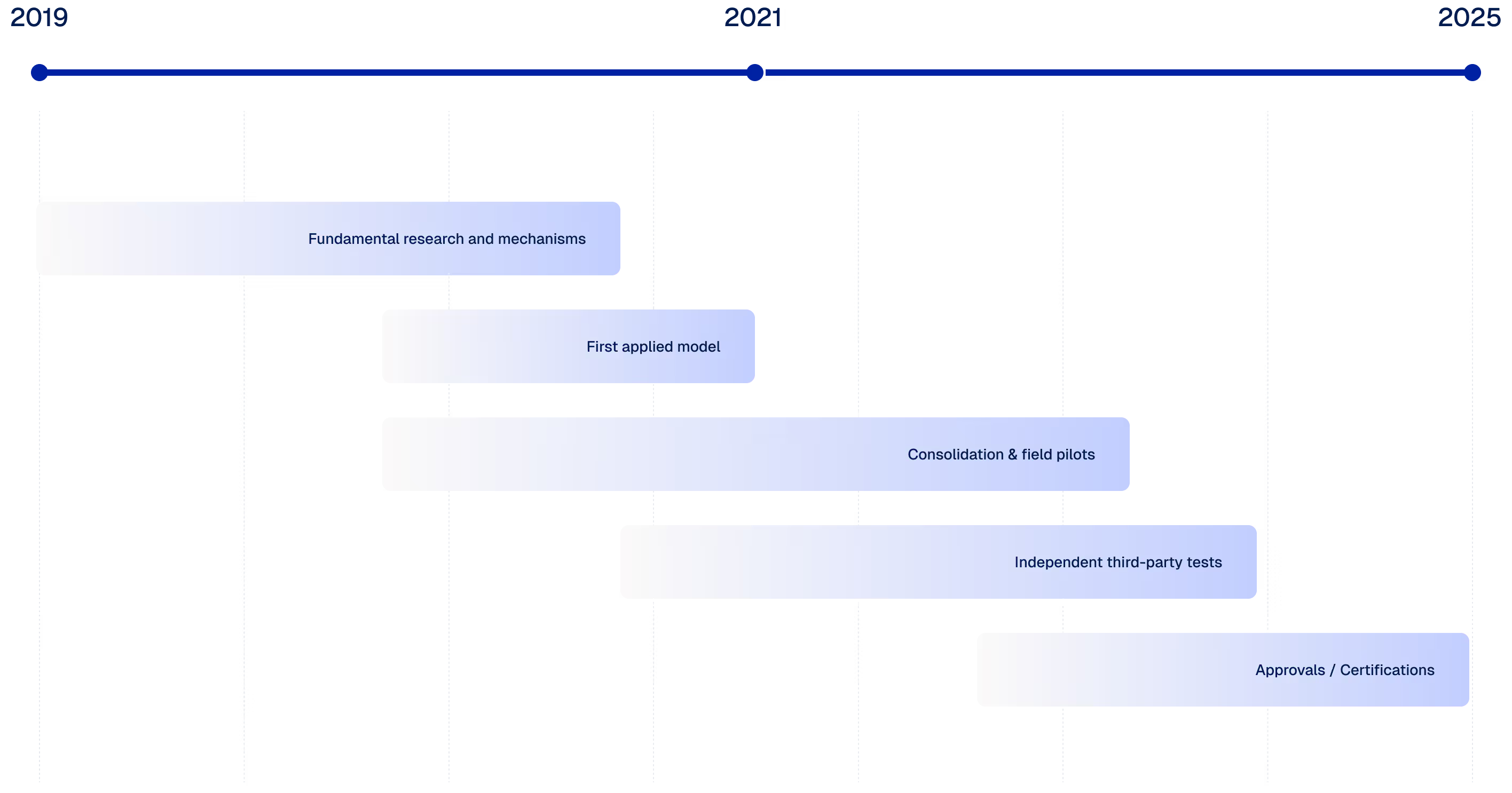
TIMELINE
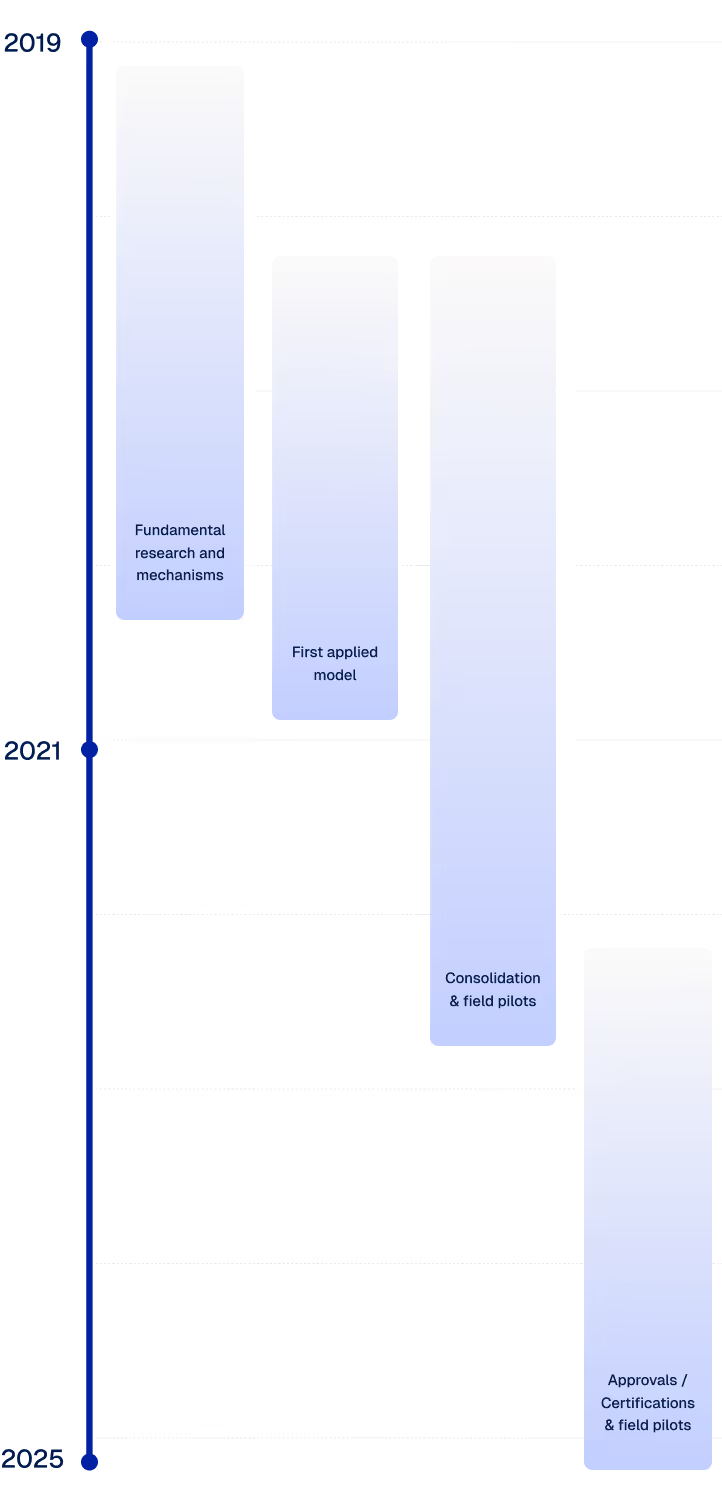
For six years, our dedicated inventors, global partners, and research experts have collaborated to develop, test, and validate the precision engineering that defines the DABV standard today.
6 years of research
The Research
From independent laboratory studies to documented effects on water quality.
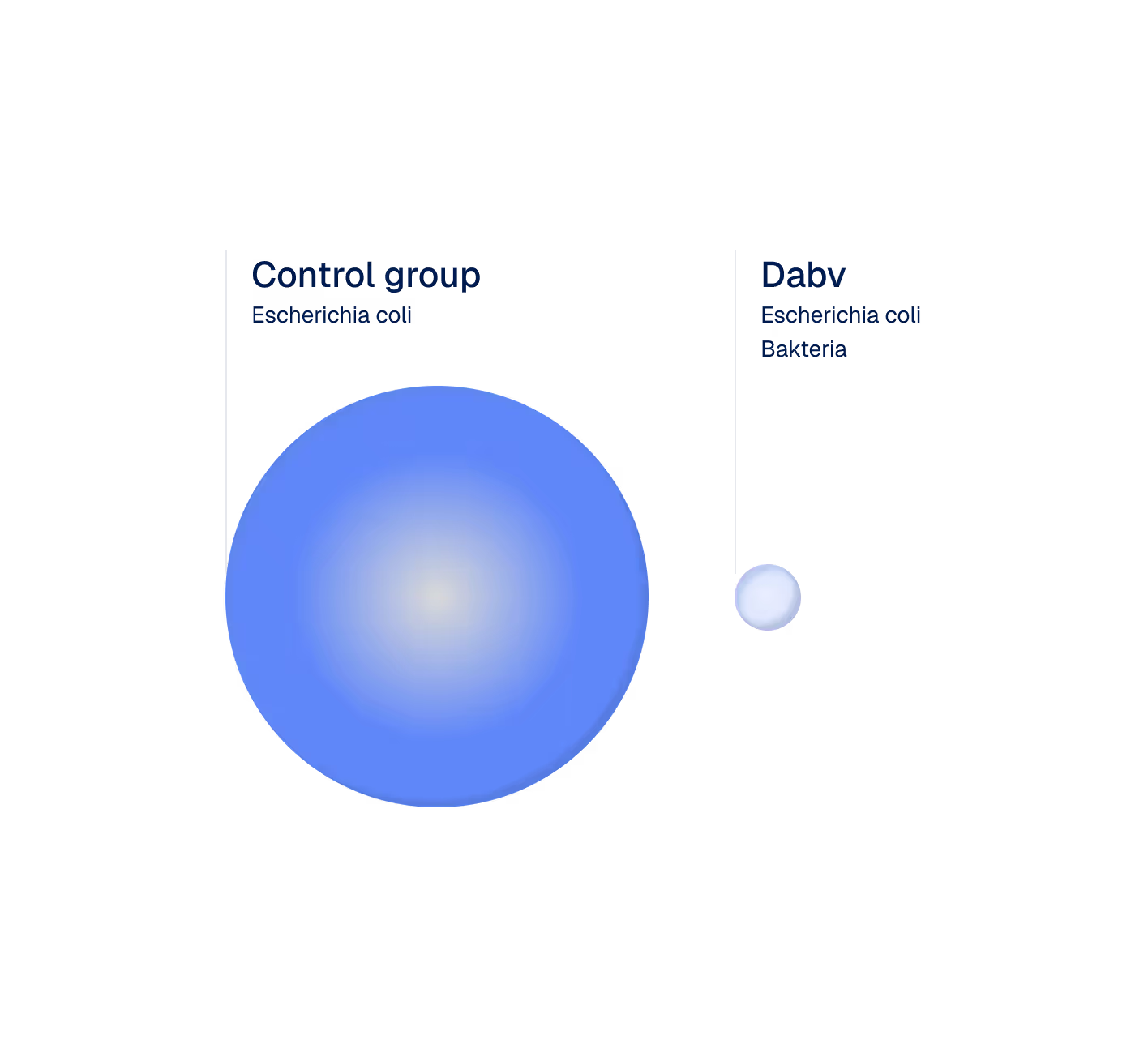
≈90% REDUCTION IN PSEUDOMONAS AERUGINOSA AFTER 24 HOURS.
1‑LOG LOWER BACTERIA LEVELS WITH DABV VS. UNTREATED TAP WATER.
TESTED BY NOFIMA AS IN NORWEGIAN TAP WATER (2024).
CONTROLLED LAB STUDY WITH 24‑HOUR CONTACT TIME AT 20 °C.
6 years of research
Limescale removal
Avoid clogged pipes and energy loss. The ALS lab test documented that DABV dissolved existing calcium carbonate deposits on steel pipe samples within six weeks.
1 mm of limescale gives ≈ 10% higher energy use in water heaters.
Fewer shutdowns and less chemical cleaning.
Reduced risk of corrosion and leaks.
Less energy loss and fewer chemicals mean lower greenhouse gas emissions.
6 years of research
Clean pipes
Biofilm is the bacteria’s shield. Long-term trials at Nofima and field data from pilot projects show that DABV prevents new biofilm build-up and dissolves existing slime layers in pipes, tanks and ice lines.
Less need for chlorine, acetic acid and peracetic acid in CIP procedures.
Reduced downtime and fewer CIP cycles save time and money.
Cleaner pipes provide better taste and smell in water.
No electricity, no filters and no daily maintenance

6 years of research
Lower energy consumption
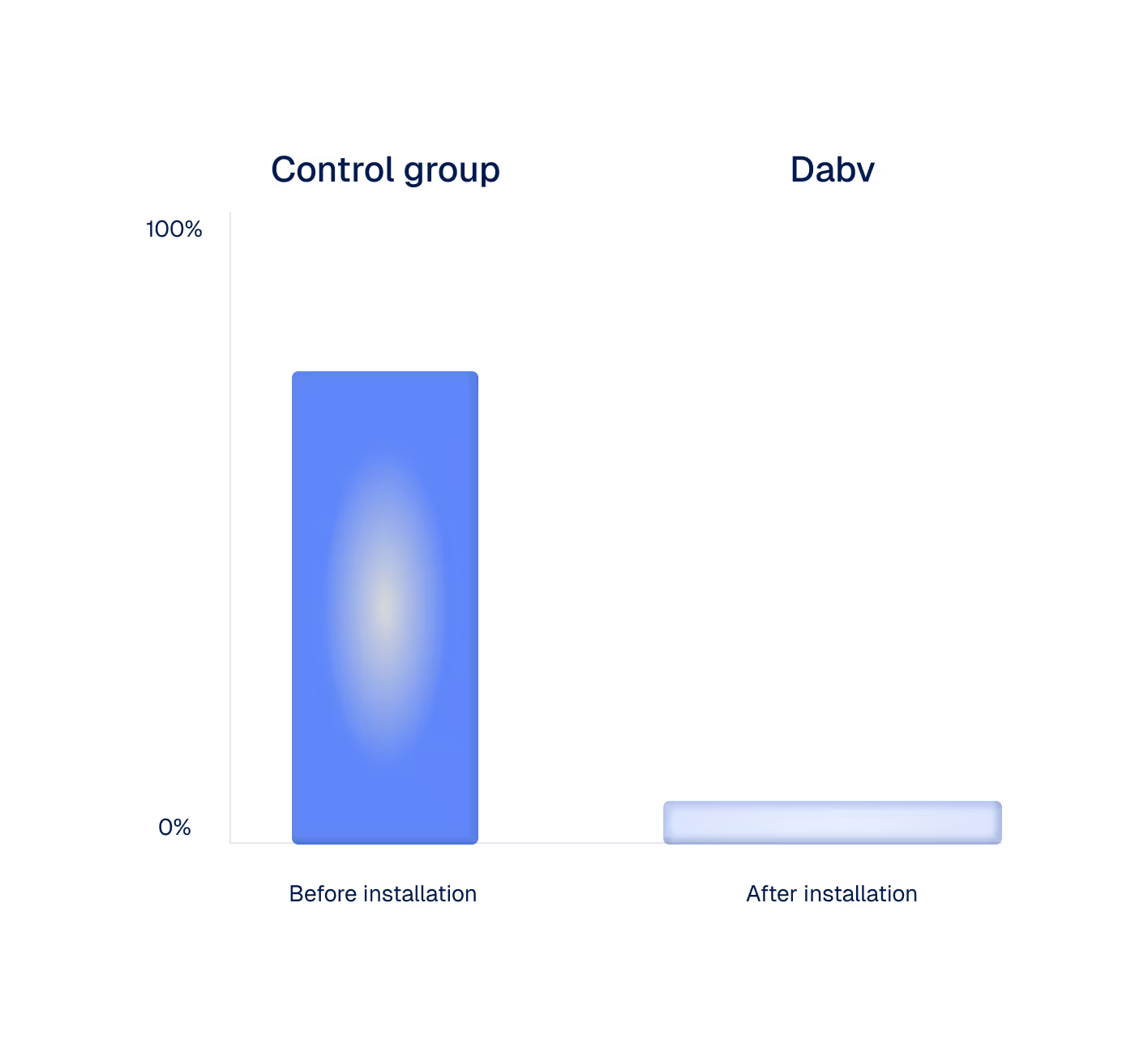
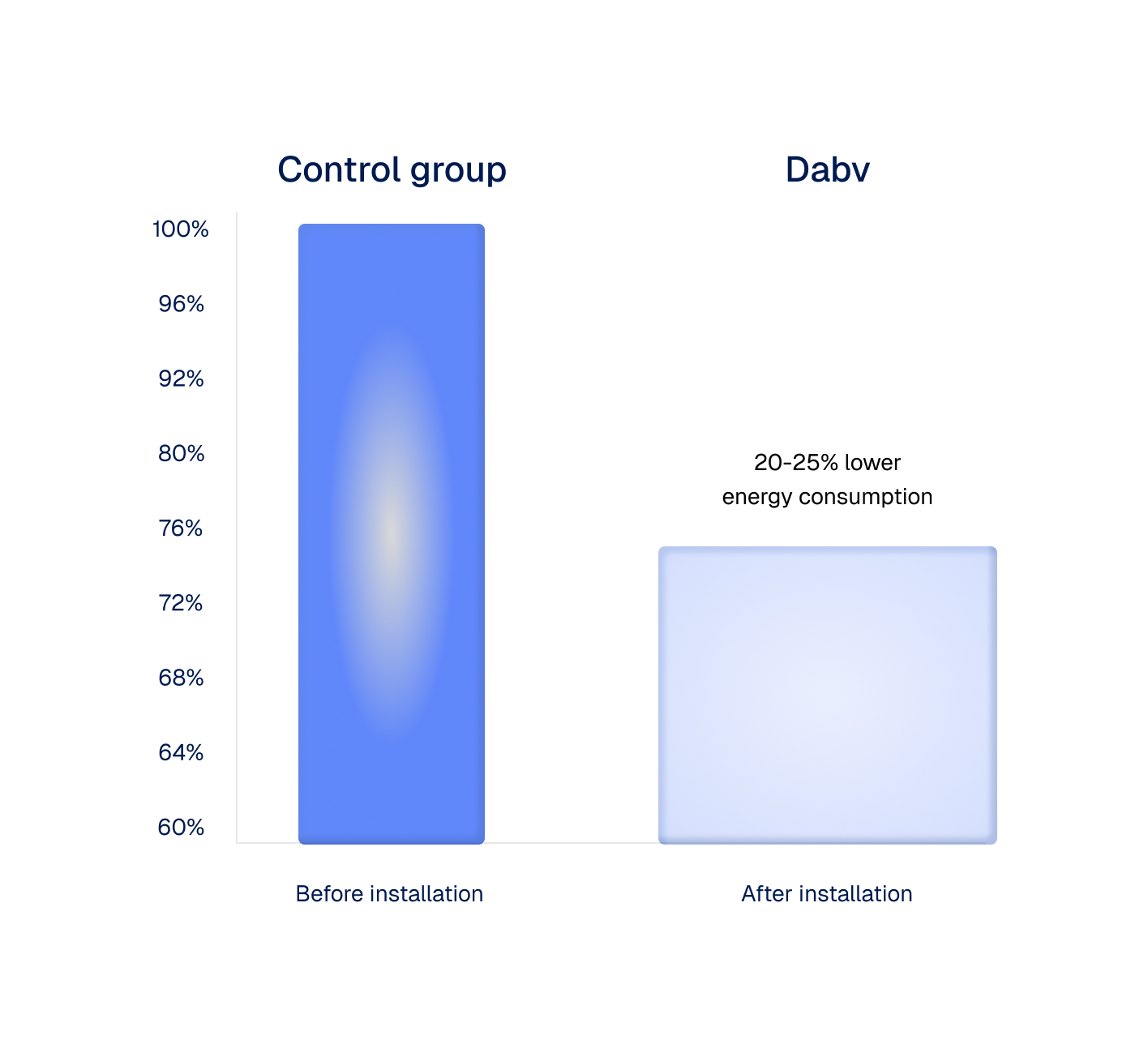
A green water system without compromise. Field measurements in hotels and shopping centers document 8–12% lower energy consumption after limescale removal, while DABV simultaneously eliminates salt softeners and descaling agents.
Lower heat loss gives a direct reduction in Scope 2 emissions.
100% removal of brine tanks and acidic descaling chemicals.
Less corrosion = fewer replacements of heaters, valves and pumps.
10-20% average reduction in water-related energy consumption.
research
Bridging the gap between laboratory discovery and industrial performance with independently verified data.
Our research is the cornerstone of the DABV standard. Over the past six years, our team of inventors, strategic partners, and lead researchers have rigorously tested and refined our technology to ensure it meets the highest commercial demands. From initial fundamental research into vibrational mechanisms to the final certifications of 2025, every phase of our development has been validated through independent studies and large-scale field pilots.
report
Targeted Reduction of pseudomonas in tap water
Independent Nofima testing shows around 90% lower Pseudomonas aeruginosa after 24 hours with DabV treatment, documenting a clear, non‑chemical reduction of bacterial levels in tap water.
report
Documenting mineral shifts after DABV installation
Independent testing by Lonestar Technical Services compares pre‑ and post‑installation samples at two sites, showing clear increases in calcium, magnesium and hardness after DabV deployment. The report quantifies these ion shifts over time, supporting DabV’s role in altering mineral balance in real‑world water systems.
report
Verifying potable well water quality at the source
Demonstrate that your groundwater meets strict Finnish standards with accredited third‑party analysis documenting soft, clear, microbiologically safe well water. This report validates key parameters like iron, manganese, hardness and bacterial counts, giving regulators and property owners confidence in long‑term drinking water safety.

NAMS and DABV teamed up to pilot a project to find out how DABV works in other enviorments
10-20% average reduction in water-related energy savings
-21%
99% reduction in biofilm and pathogens (e.g., E. coli)
-99%
30% reduction in use of chemicals in closed-heating enviorment
-30%
Schedule a Technical Assessment
Our engineering team will evaluate your water system and quantify potential performance gains
Oops! Something went wrong while submitting the form.